Servicing6 min read
Why is my car overheating? Causes and what to do
A temperature gauge heading for the red is one warning not to drive through. Here is what to do on the spot, what usually causes it, and how to check the coolant without scalding yourself.
By Kaine Carter
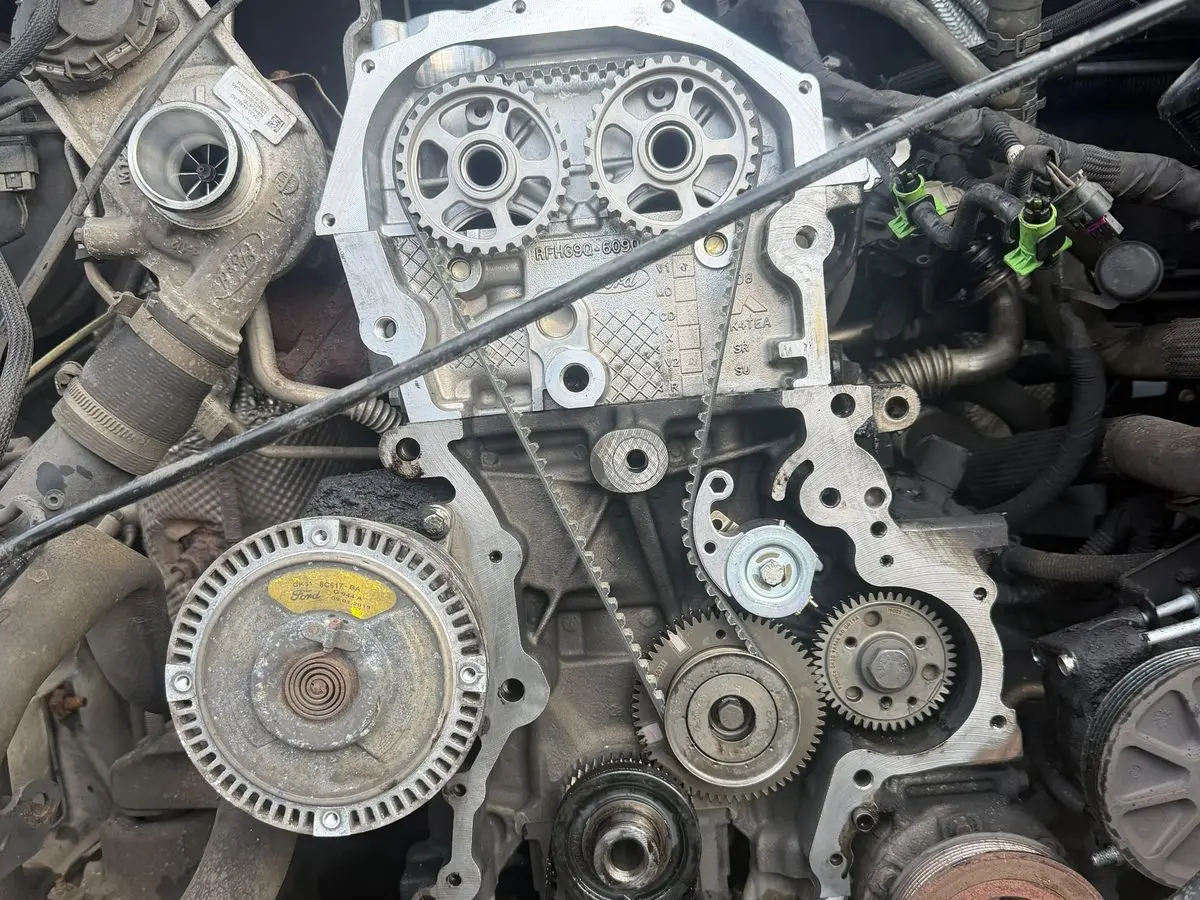
An engine runs at a steady temperature, held there by coolant pumped through the engine and radiator. When the gauge rises above where it normally sits, something in that system has stopped doing its job — and the engine has no way to protect itself.
What to do straight away
- 1.Pull over somewhere safe and switch the engine off.
- 2.Do not open the coolant cap while the engine is hot. The system is under pressure and the coolant can be well above boiling point.
- 3.Wait at least half an hour before touching anything under the bonnet.
- 4.Once it is cold, check the coolant level in the expansion tank against the MIN and MAX marks.
- 5.If the level was low, or you can see coolant under the car, do not keep topping it up and driving. Get the leak found.
If you are on a busy road and cannot stop at once, turning the heater up to full hot with the fan on maximum moves some heat out of the engine. It buys a minute or two, not a journey.
The common causes
A coolant leak
The most common cause by far. A split hose, a weeping radiator, a failing water pump seal or a loose clip all let coolant out, and with less coolant the engine runs hotter. Signs are a sweet smell, a puddle under the front of the car, steam from the bonnet, or a level that keeps dropping.
The thermostat
The thermostat is a valve that stays shut while the engine warms up, then opens to let coolant through the radiator. If it sticks shut, the engine overheats even with the system full. If it sticks open, the engine runs cold and the heater stays lukewarm — less dangerous, but bad for economy and wear.
The cooling fan
In traffic there is no air rushing through the radiator, so a fan does the work. If the temperature is fine on the move but climbs in queues, the fan — or the switch, relay or fuse that runs it — is the first suspect.
The water pump
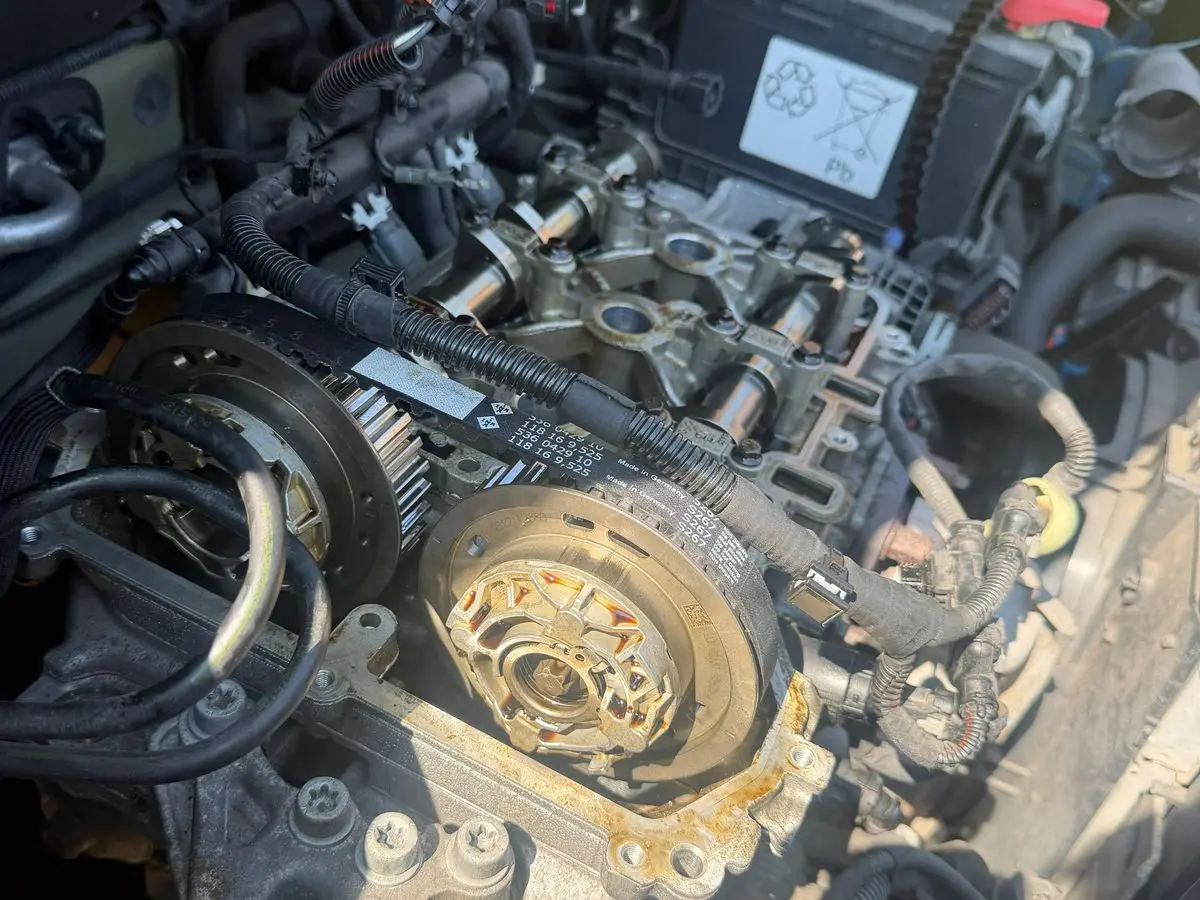
The pump keeps coolant moving. On many engines it is driven by the cam belt, which is why it is usually replaced at the same time as the belt. A failing pump can leak, whine, or stop circulating altogether.
The head gasket
Sometimes the cause, and often the result of driving on while overheating. Signs include white exhaust smoke with a sweet smell, coolant disappearing with no visible leak, bubbles in the expansion tank, or a milky residue under the oil filler cap. It needs looking at promptly.
Topping up: what to use
Use the coolant type your handbook specifies, mixed with water to the strength it gives — usually half and half. Different types do not always mix well. In an emergency, plain water will get you home, but the system then needs draining and refilling with the right coolant, because water alone has no protection against freezing or corrosion.
How we find the cause
We come to you, find the leak or the failed part, and give you a written price before anything is replaced. It starts as a Diagnostic Call-Out, so you know what is wrong before you spend anything on parts. We cover Milton Keynes, Leighton Buzzard, Bedford, Buckingham and Northampton.