Servicing6 min read
Dashboard warning lights explained: which ones mean stop
Red means stop, amber means book it in, green means a system is on. Here is what the common lights actually mean, and which ones you should never drive through.
By Kaine Carter
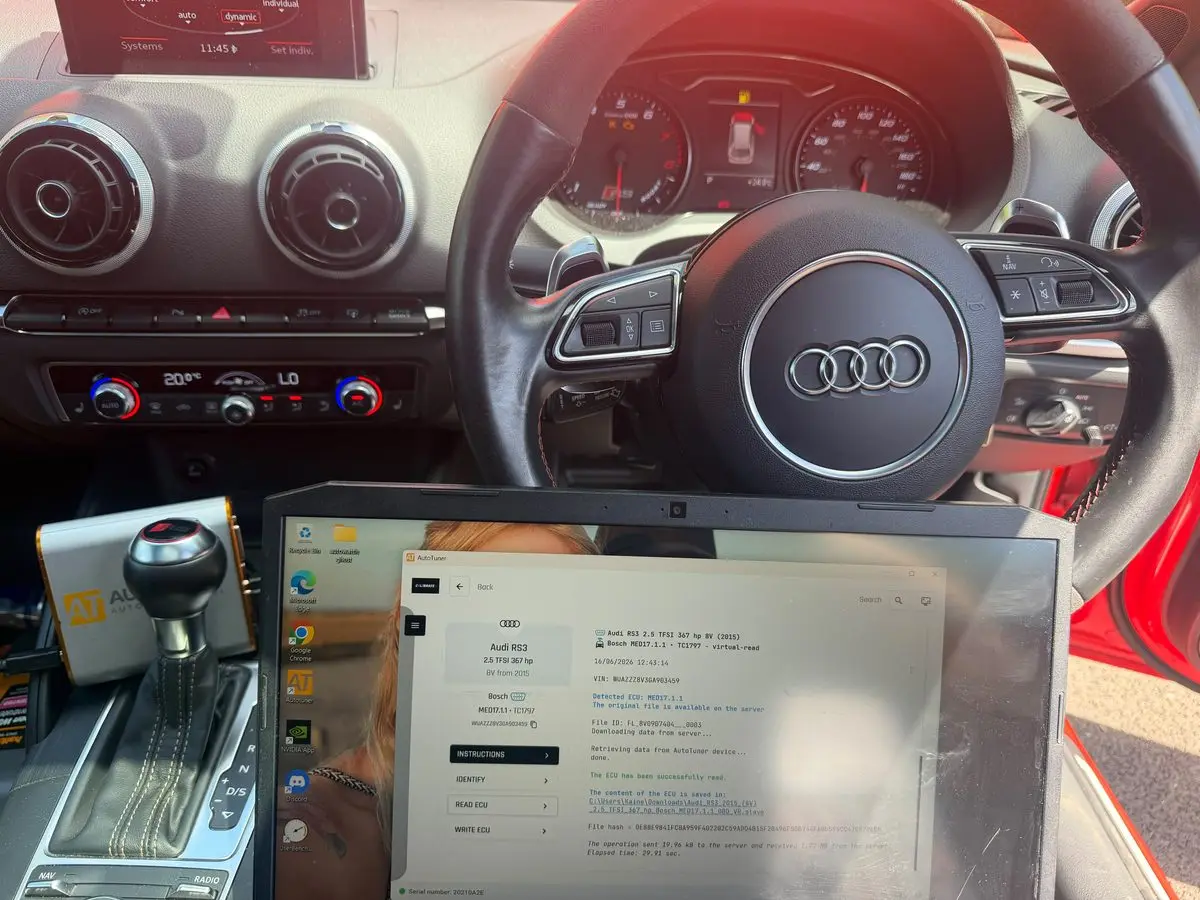
Dashboard lights follow a colour code that is the same on almost every car. Knowing it tells you in a second whether to keep going, book it in, or pull over now.
Red: stop when it is safe
- Oil pressure (an oil can): the engine is not getting enough oil. Stop and switch off straight away — minutes of driving can destroy an engine.
- Engine temperature (a thermometer in liquid): the engine is overheating. Stop and let it cool before checking the coolant.
- Brake system (an exclamation mark in a circle): low brake fluid or a brake fault, if the handbrake is off. Do not drive on.
- Battery or charging (a battery): the alternator is not charging. The car will run until the battery is flat, then stop.
Amber: get it checked soon
- Engine management (an engine outline): the engine's computer has logged a fault. If it is steady, book it in. If it flashes, the engine is misfiring badly enough to damage the catalytic converter — stop driving.
- ABS: the anti-lock system is off. Normal brakes still work, but the wheels can lock under hard braking.
- Airbag or SRS: the airbags may not deploy in a crash.
- DPF: the diesel particulate filter is filling up.
- Glow plug (a coil, on diesels): normal when it lights briefly at start-up; if it flashes while driving, it is reporting a fault.
- Tyre pressure (a horseshoe with an exclamation mark): one or more tyres is low.
Green and blue: information only
Headlights, main beam, cruise control, fog lights. These just confirm something is switched on.
Warning lights and the MOT
Several warning lights now fail an MOT if they are on, including the engine management, airbag and ABS lights. A light that has been on for months is worth having looked at before the test rather than during it.
Why a free code read is not a diagnosis
Accessory shops will read a fault code for nothing, and the code is a useful start — but a code says which system reported a problem, not what caused it. A misfire code, for example, can be a spark plug, a coil, an injector or a wiring fault. Replacing parts based on the code alone is how people spend money and keep the light.
A proper diagnosis reads every module, looks at live data and tests the likely cause before anything is replaced. Our Diagnostic Call-Out is £60: we come to you in Milton Keynes, Leighton Buzzard, Bedford, Buckingham and Northampton, find out what the light actually means, explain it in plain terms, and give you a written price for the repair. What you do next is up to you.