Immobilisers5 min read
Pandora Microbot: the Thatcham-certified immobiliser
If your insurer has asked for a Thatcham-certified immobiliser, this is the one to look at first. Here is what the certificate means and how the Microbot earns it.
By Kaine Carter
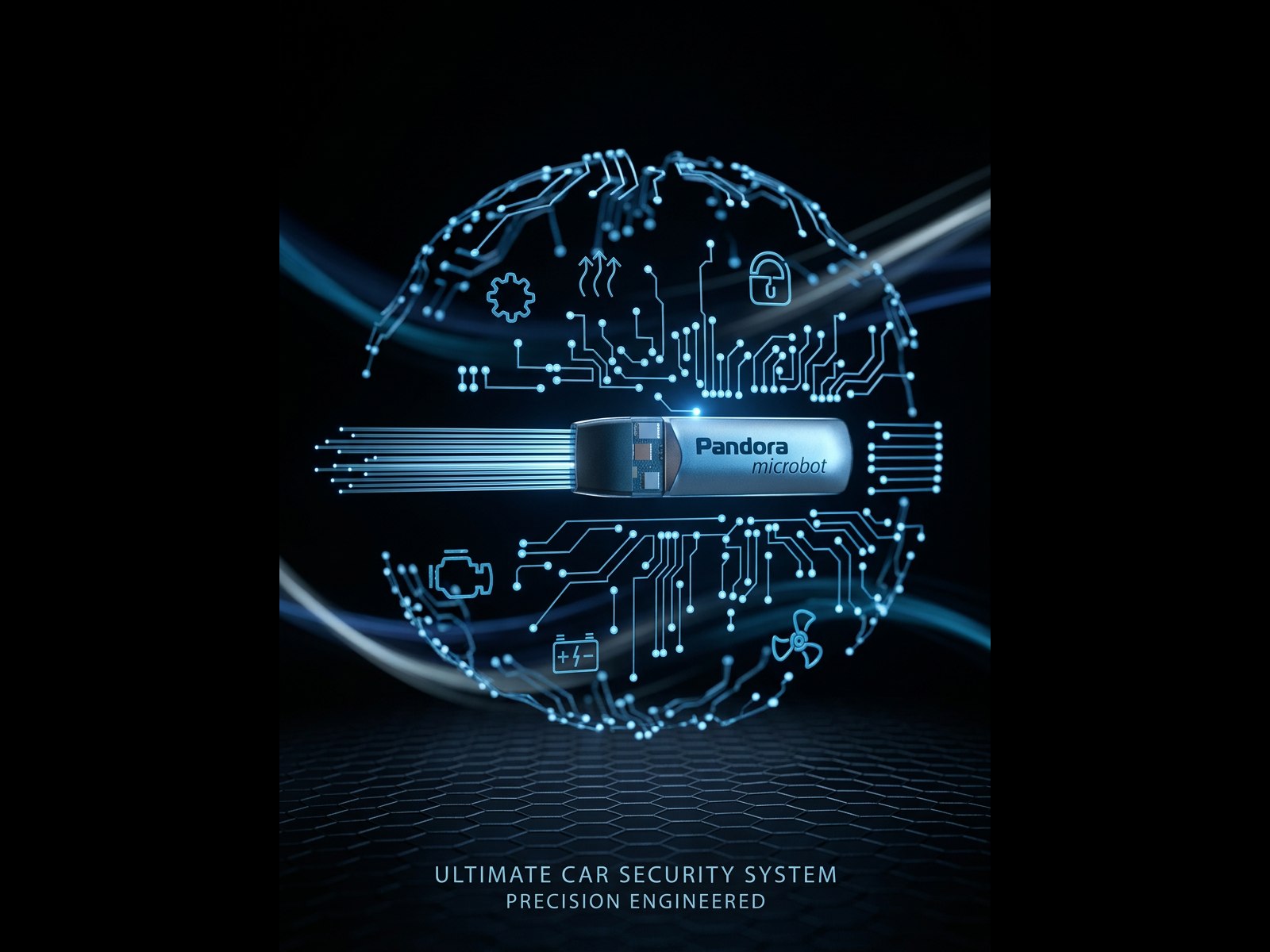
Most of the immobilisers we fit are chosen on how they work. The Microbot is often chosen for a piece of paper. When an insurer asks for a Thatcham-certified immobiliser in writing, it is the one in our range that holds the certificate — and it happens to be a very good immobiliser as well.
What Thatcham Category 2e means
Thatcham certifies immobilisers as well as trackers. Category 2 covers electronic immobilisers, and Category 2e — introduced in June 2026 — is the standard for the enhanced ones that work over a car's data network. The Microbot's certificate is TSC741.
The Ghost, the CAN Phantom, the Scorpion X-Series and the Meta Autoblok are all good immobilisers, but none of them is Thatcham certified. That matters only if your insurer has named Thatcham — many simply want an immobiliser declared — so send us the wording before you choose.
How it works
The Microbot sits on the car's own data network — standard CAN and CAN FD — and answers the authorisation request the car already makes each time you press start. Without the right answer, the car simply does not authorise the start. Nothing is cut, and there is no relay or blocking module for a thief to find and bypass.
You authorise it one of three ways, and you choose on the day:
- An encrypted Bluetooth 5.4 tag on your keyring — walk up, get in, drive off, with nothing to type
- A PIN entered on buttons the car already has, if you would rather carry nothing extra
- The phone app
The tag is nothing like the plain, constantly broadcast signal that makes an ordinary keyless car relayable. It is encrypted, so there is no signal sitting there waiting to be amplified through your front door.
Four ways to block, not one
Most immobilisers stop one thing. Depending on the vehicle, the Microbot can block four: the engine, the engine start, the automatic gearbox and the keyless entry system itself. The last one matters most against relay theft — even if your key signal is copied, it gets nobody anywhere. There is anti-hijack protection too.
Which of the four your car supports depends on what the manufacturer exposes on the network, so we check it against the registration before you book rather than after.
Small enough to hide anywhere
At 77 by 12 by 5 millimetres it is smaller than a stick of chewing gum. That means it goes places a conventional module will not, and a thief who knows what to look for has no idea where to start. It does not show up as an added device on a diagnostic tool either.
Microbot or Ghost?
- Choose the Microbot if your insurer has asked for Thatcham, or if you would rather carry a tag than remember a sequence — it suits cars shared between several drivers.
- Choose the Ghost III if you want nothing extra to carry and your insurer has not named Thatcham. It is £50 less.
What it costs
We fit the Pandora Microbot for £549 including installation at your home or workplace anywhere around Milton Keynes, with no call-out fee and no subscription. It takes two to three hours and comes with two years' warranty on the unit and the tag, plus the Thatcham Category 2e paperwork for your insurer.