Vehicle security7 min read
Van security: keeping the tools in a Transit or Vivaro
The van is replaceable. Three days of nobody being able to work is not. Here is what actually holds up on a work van parked outside a house overnight.
By Kaine Carter
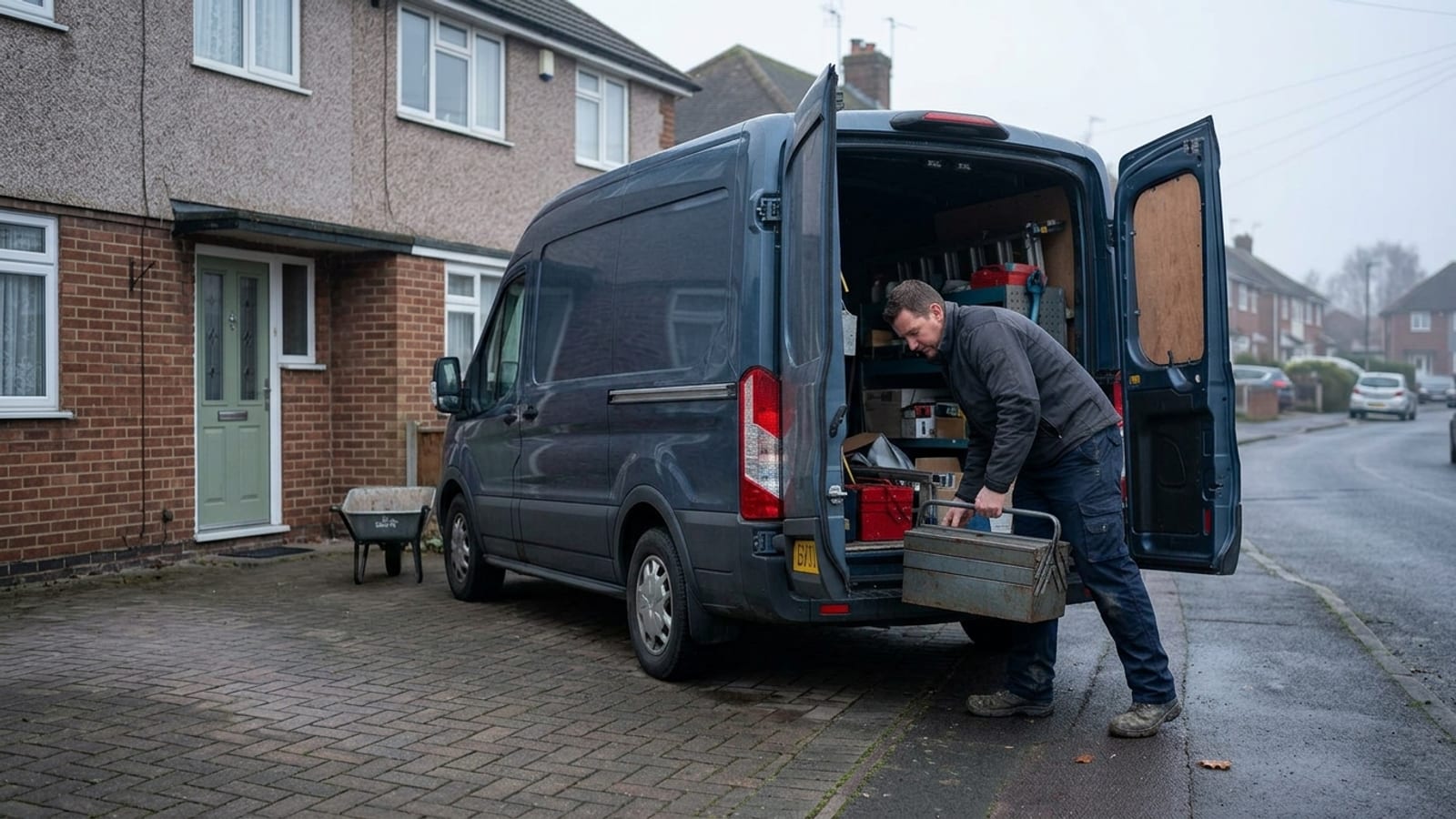
A stolen car costs you a car. A stolen van costs you the van, the tools, the jobs booked for that week and the customers who go elsewhere while you sort it out. That is why van security is a different conversation, and why doing the cheapest thing rarely turns out to be the cheap option.
We fit for trades across Milton Keynes — a lot of it in Bletchley, Wolverton and the industrial estates, and plenty on ordinary residential streets where the van sits outside the house all night.
Two different crimes, two different answers
They want the van
Newer Transits, Customs and Vivaros are keyless or have keyless options, which puts them in exactly the same position as a keyless car: the signal can be relayed from a key inside the house and the van driven away without a mark on it.
The answer is the same too. A CAN-bus immobiliser means the engine will not start until a sequence is entered on buttons the van already has. Nothing to relay, nothing to clone, and nothing visible to warn somebody off before they have already given up.
They want what is inside it
This is the more common one, and an immobiliser does nothing about it. Somebody who only wants the tools does not need the van to start. They need the side door open for ninety seconds.
The usual methods are the door lock barrel forced with a screwdriver, the door skin peeled where the lock sits, or the factory central locking defeated with the same relay kit used on cars. All three are quick and all three are quiet.
What actually helps
- Deadlocks or slam locks on the side and rear doors — a separate mechanical lock that does not care what the central locking is doing.
- An immobiliser, so the van itself cannot be driven off while you are asleep.
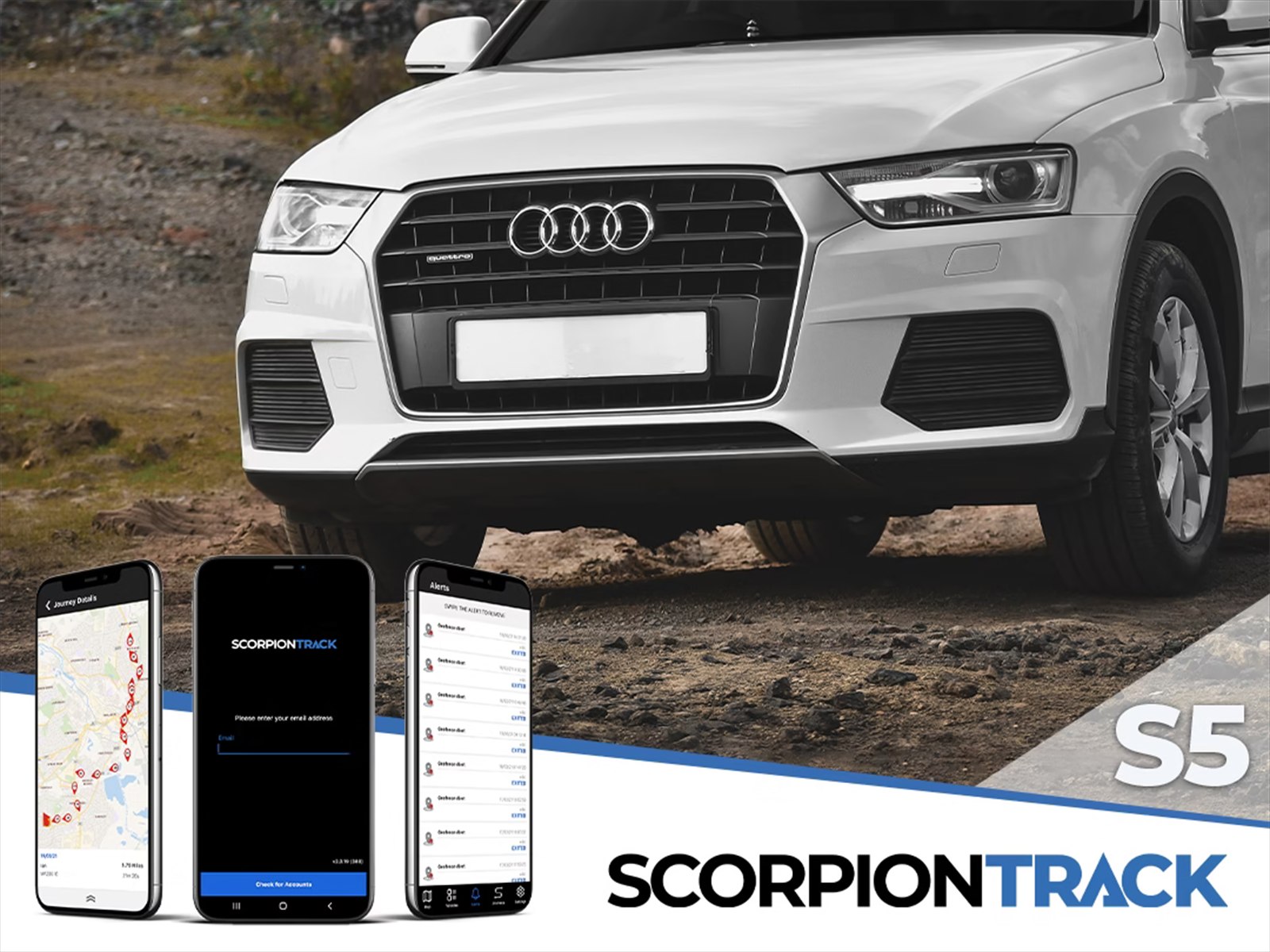
- A tracker, because a van that has gone is worth finding fast — most tool loads are broken up within hours.
- A dashcam with parking mode, which will not stop anything but changes an insurance conversation completely.
- Emptying the van overnight where you realistically can. Nobody does it every night, but the nights you do are the nights it cannot be worth breaking into.
The order matters. If your van is on a driveway you can see and the load is the worry, start with the locks. If it is parked on a street and it is a newer keyless model, start with the immobiliser.
What your insurer will ask
Tool cover is usually a separate policy or a separate section, and it almost always carries conditions. The three that catch people out:
- 1.Overnight parking. Many policies exclude or reduce cover for tools left in a van on a public road overnight, or require it to be on a driveway or in a locked compound.
- 2.Forced entry. Some policies only pay where there is visible damage — which is precisely the evidence a relay attack does not leave.
- 3.Declared security. If the policy required deadlocks and none were fitted, the claim is in trouble regardless of everything else.
Read the tool section rather than the van section, and send us anything that names a security requirement. We will tell you what satisfies it.
What we would fit to a work van
For most trades: an immobiliser and a tracker, with the locks handled at the same visit. It is fitted at your home or wherever the van lives, which for a lot of people means it happens on a Saturday morning rather than costing a working day.
Nothing is cut into the loom, so a leased or financed van is not a problem, and it comes out cleanly at the end of the agreement.