Trackers6 min read
Does a tracker reduce your car insurance?
The honest answer is: sometimes, and not by as much as people hope. The bigger effect is elsewhere, and it is worth understanding before you buy one for the wrong reason.
By Kaine Carter
This comes up on nearly every tracker enquiry, usually phrased as "will it pay for itself". It is a fair question and it deserves a straighter answer than most people selling trackers give it.
The short version
- On an ordinary car, a tracker rarely moves the premium much on its own.
- On a higher-value or frequently-targeted car, it often decides whether you get a quote at all.
- Where a discount exists it is usually tied to the tracker being Thatcham-approved and monitored — a phone app is not the same thing.
- Anything you fit and never declare has no effect whatsoever.
Why the discount is smaller than people expect
Insurers price theft risk as one part of a much larger calculation. Your postcode, your age, your claims history, the car's value and how expensive it is to repair all sit in there too. A tracker moves one input, so it moves the total by less than it feels like it should.
There is a second reason. A tracker does not stop the car being taken. It improves the chance of getting it back, which reduces what the insurer pays out rather than how often they pay out at all. That is worth something to them, but it is worth less than prevention.
Which is exactly why we tend to talk people into an immobiliser first and a tracker second, unless the policy says otherwise.
Where it genuinely changes things
When the policy requires one
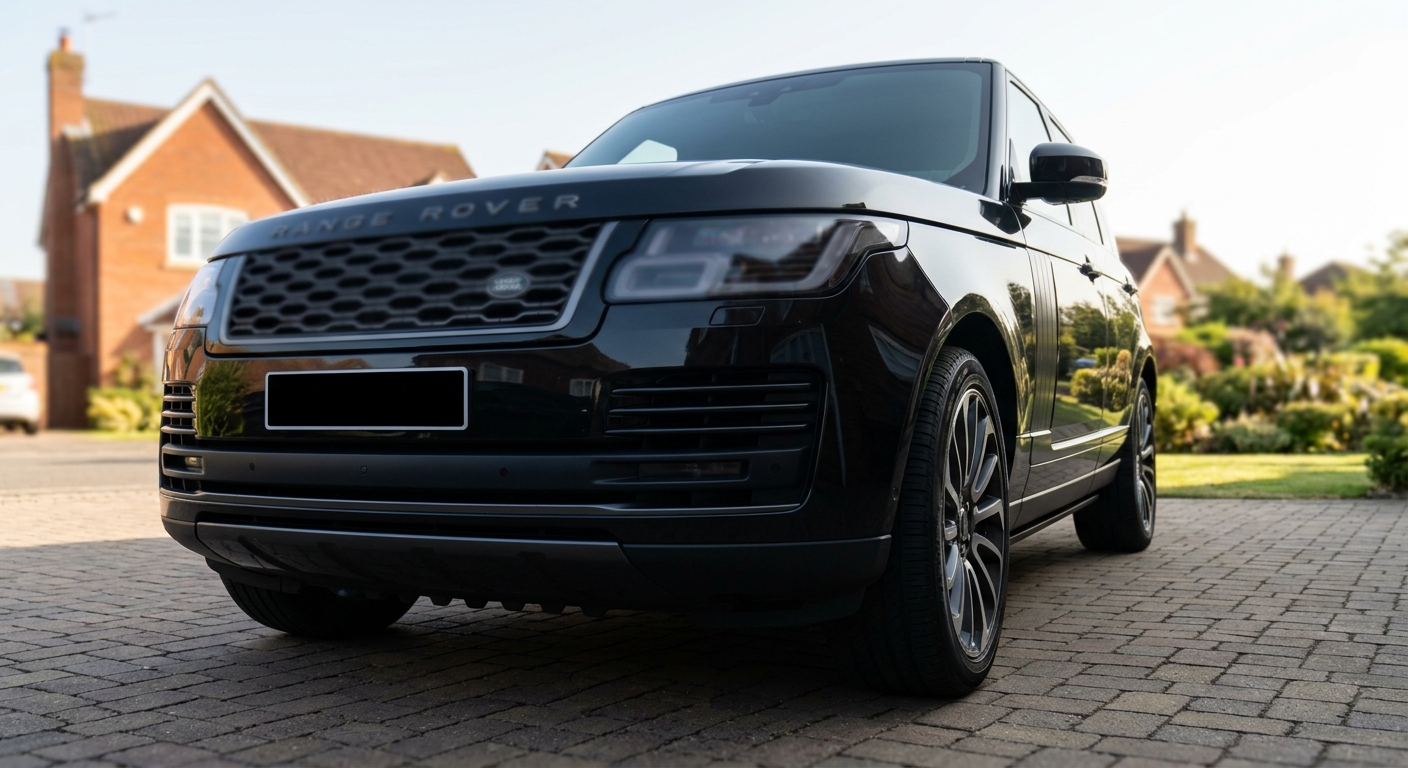
On higher-value vehicles — and Land Rovers, high-spec German saloons and performance cars in particular — a growing number of underwriters make a Thatcham-approved tracker a condition of cover. The endorsement usually names a category.
In that case the tracker is not competing with the premium. Without it there is no policy, or the policy has a hole in it exactly where a theft claim would go.
When the car is recovered
The real return is not annual. It is the day the car is taken and comes back, which is the difference between a settlement, a hire car, a new deposit and six weeks of inconvenience — and a phone call telling you where it is.
S5 or S7, for insurance purposes
If a policy names a category, that is not a suggestion. An S7 will not satisfy a policy that specifies S5, and fitting the wrong one is worse than fitting nothing because you will believe you are covered.
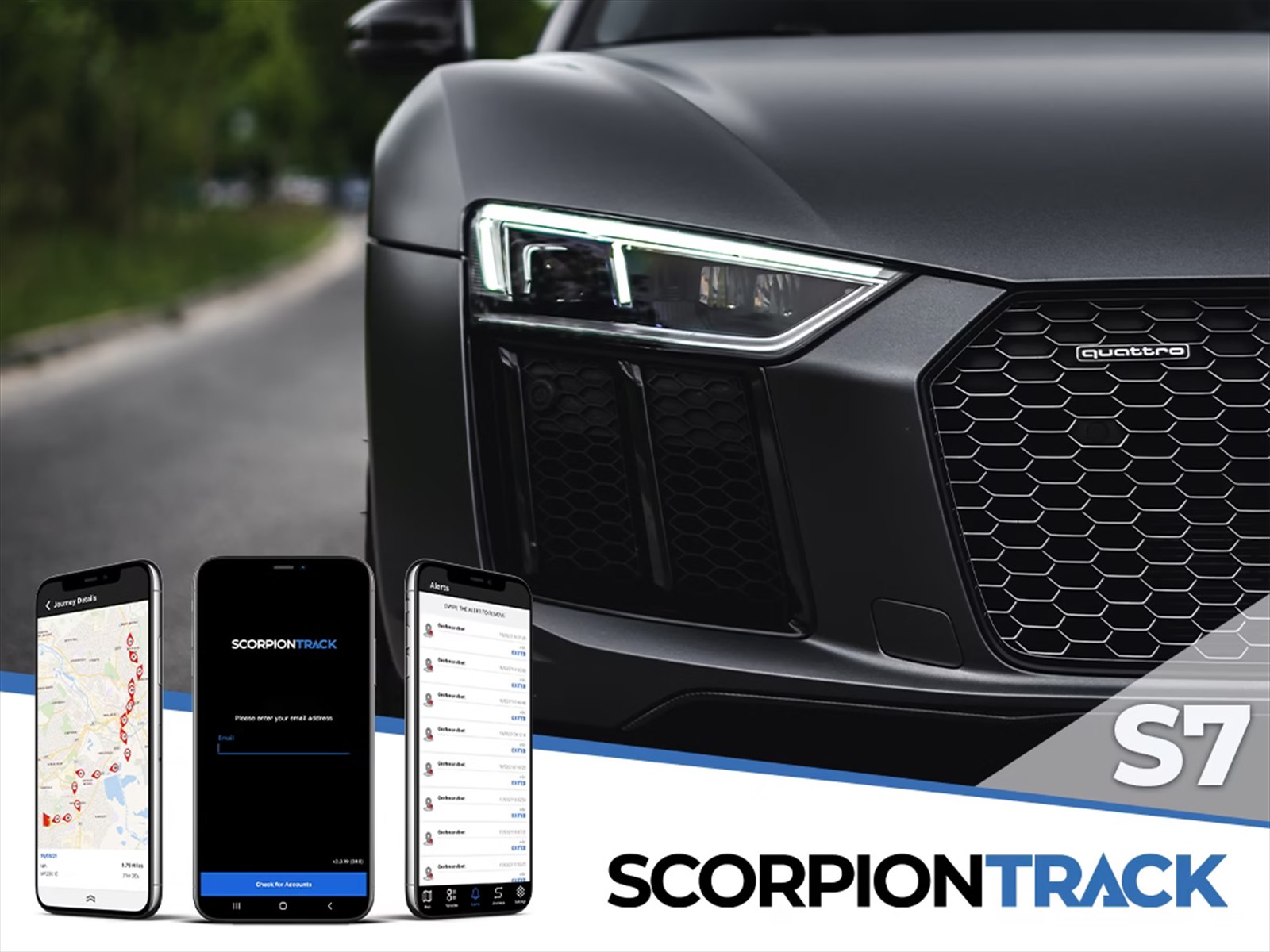
- S7 — location tracking, alerts to you, no driver tags, no manned control room acting on your behalf.
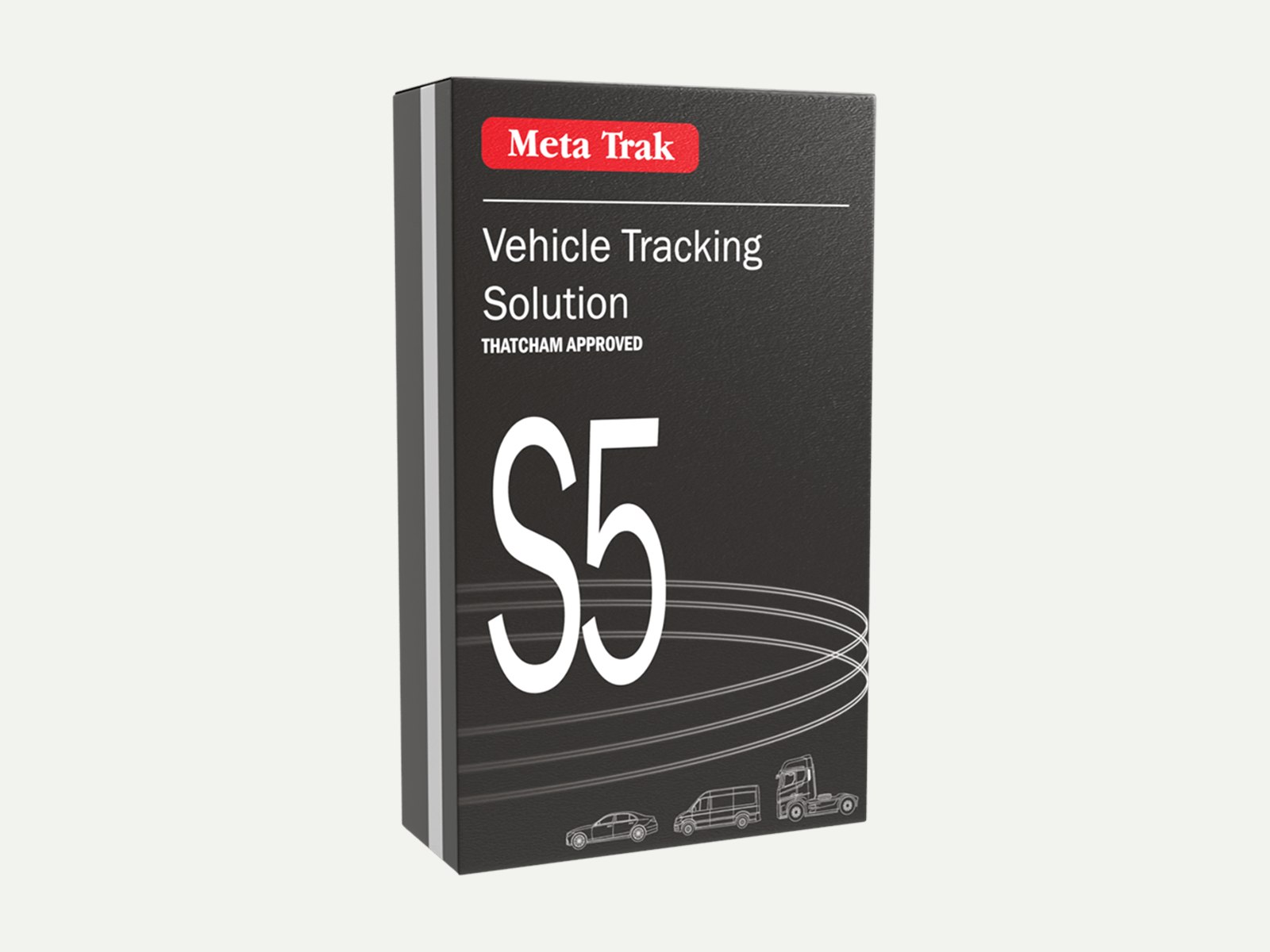
- S5 — driver recognition tags, so the system knows when the vehicle moves without you, plus a monitored control room that works with police on recovery.
Send us the endorsement wording before you buy anything. We fit both categories and we would rather tell you the cheaper one satisfies your policy than sell you the dearer one.
Three things worth doing whatever you fit
- 1.Declare it. Tell your insurer what is fitted, by whom, and give them the certificate. Undeclared security counts for nothing.
- 2.Keep the subscription live. A tracker out of contract is not a tracker as far as a policy is concerned, and that is exactly the sort of detail a claim turns on.
- 3.Ask at renewal rather than mid-term. Most of the benefit shows up when the policy is re-rated, not on the day you fit it.
We fit Thatcham S5 and S7 systems across Milton Keynes and the surrounding towns, at your home or workplace, and the insurance certificate comes with it as standard.