Vehicle security6 min read
Is your car at risk from keyless theft?
You do not need a list of models. You need thirty seconds in your own driveway and an honest look at where your keys live.
By Kaine Carter
People usually ask this as "is my model on the list". Lists are the wrong tool — they date quickly, they miss trim levels, and they tell you nothing about the actual risk on your driveway. Here is a better way to work it out.
The test
- 1.Leave your keys indoors, in the place they normally live.
- 2.Walk to the car with nothing in your pockets.
- 3.Try the door handle. If it unlocks, the car is talking to a key it cannot see — and so can a relay device.
- 4.If it does not, take the keys and check how you start it. A button rather than a turned key means keyless ignition even if the doors need a press.
Doors that unlock without the key in your hand is the answer that matters. That is proximity-based entry, and proximity is exactly what a relay attack manufactures.
What makes it worse
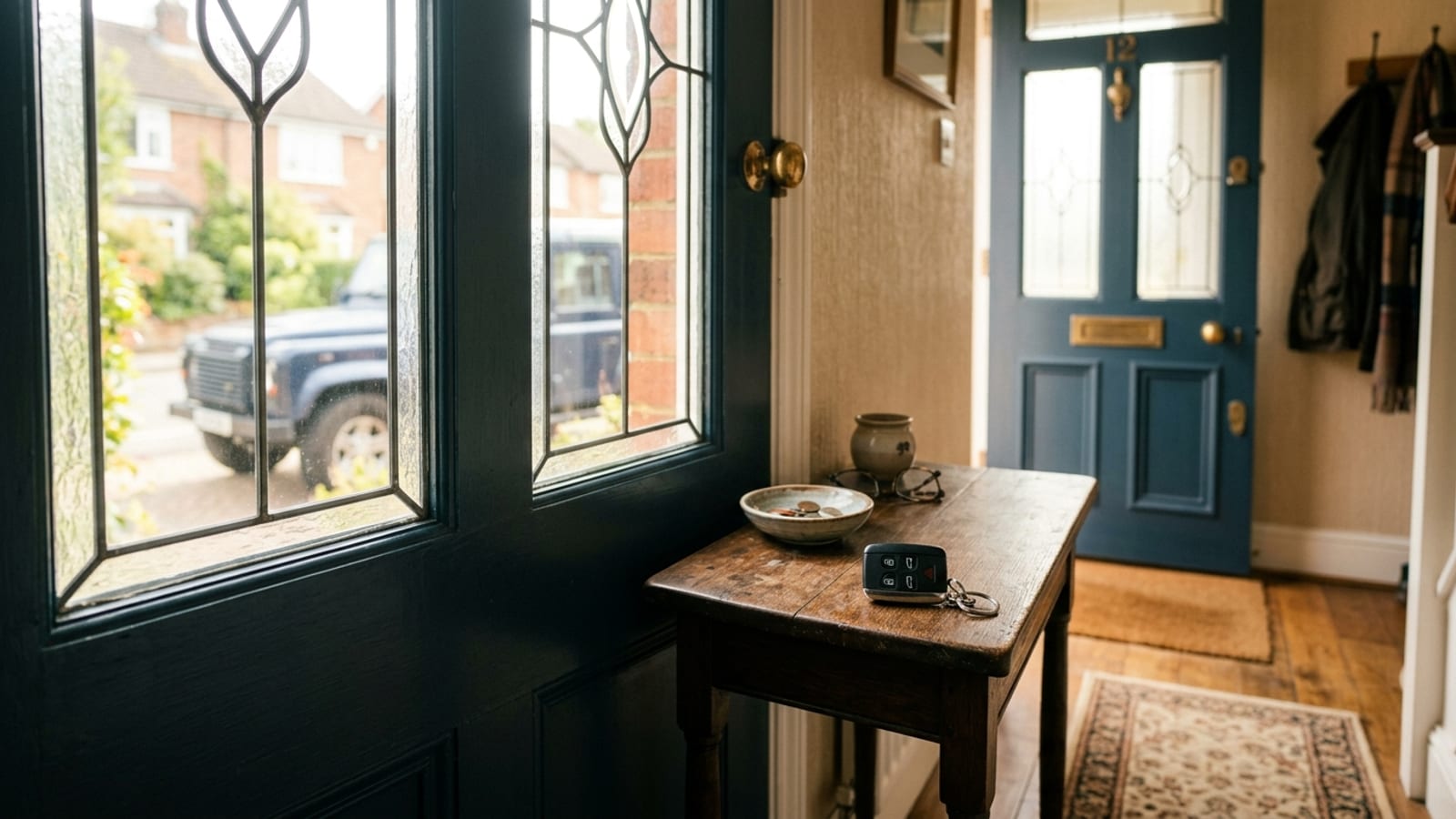
- Keys near the front of the house. A hall table, a hook by the door, a bowl on a windowsill — all within reach of a device held outside.
- A driveway anyone can walk onto. Most of the newer estates around Milton Keynes are laid out this way, and it is why we fit so much here.
- A car left on the drive overnight rather than in a garage, which is nearly everybody.
- A spare key nobody has thought about in three years, sitting in a kitchen drawer at the front of the house.
Three things worth doing tonight, for nothing
- 1.Move both keys to the back of the house, as far from the driveway as you can get. Distance genuinely reduces what a relay can pick up.
- 2.Check whether your key has a motion sleep function. Many newer keys switch off after a few minutes of being still — some need enabling, and the handbook will say.
- 3.Put both keys in a signal-blocking pouch and test it: with the key inside the pouch, the car should not unlock when you walk up to it. If it does, the pouch is not working. That test catches a lot of pouches.
None of that costs anything and all of it helps. What none of it does is stop somebody who wants your specific car, because the second route into a modern vehicle does not involve your key at all.
The part a pouch does not cover
The diagnostic port under the dashboard exists so a garage can read fault codes. On a number of vehicles it can also be used to program a new key, and devices to do exactly that are not hard to obtain.
A key in a metal tin makes no difference to that. Neither does a steering lock, though it will slow somebody down and it is visible, which has its own value.
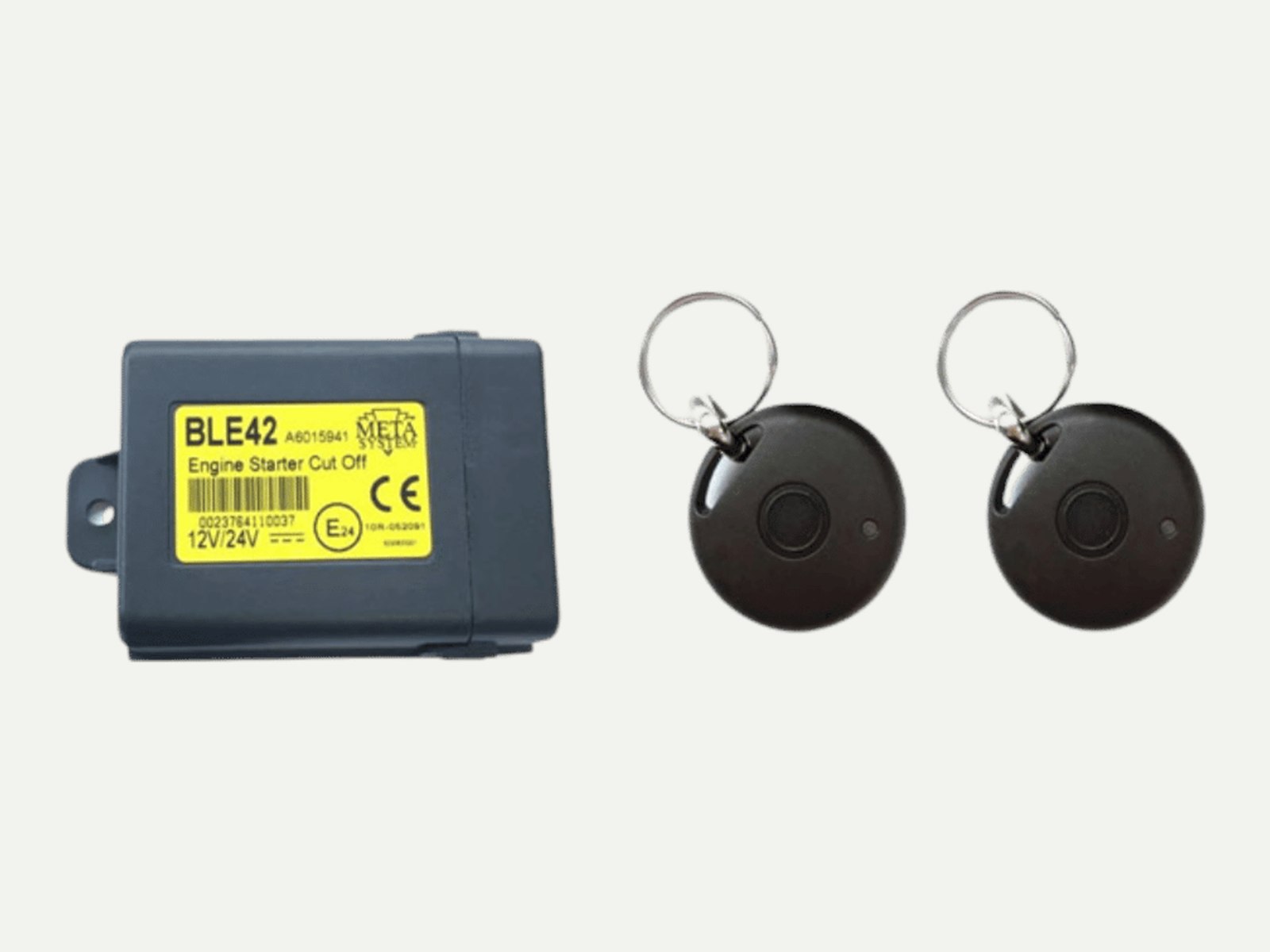
What does work is an immobiliser that sits on the car's own network and refuses to allow the engine to start until a sequence is entered on buttons already in the car. There is nothing to relay because the sequence is in your head, and nothing to find because there is no fob, no aerial and no LED.
So what should you actually spend?
In order, for most people:
- 1.Free: move the keys, enable motion sleep, test a pouch.
- 2.If the car is keyless and lives on a driveway: a CAN-bus immobiliser. This is the step that changes the outcome rather than the odds.
- 3.If the car is high-value, or your insurer says so: add a Thatcham tracker, S5 if the policy names it.
- 4.If you want evidence as well as prevention: a hardwired dashcam with a genuine parking mode.
We fit at your home or workplace across Milton Keynes, Bletchley, Newport Pagnell, Buckingham, Leighton Buzzard and the towns beyond. Send the registration and we will tell you what your car actually needs — including when the answer is nothing.