Vehicle security6 min read
Driveway, street or garage: securing your car
The advice that suits a terraced street is the wrong advice for an open-plan estate. Most of Milton Keynes is the second kind.
By Kaine Carter
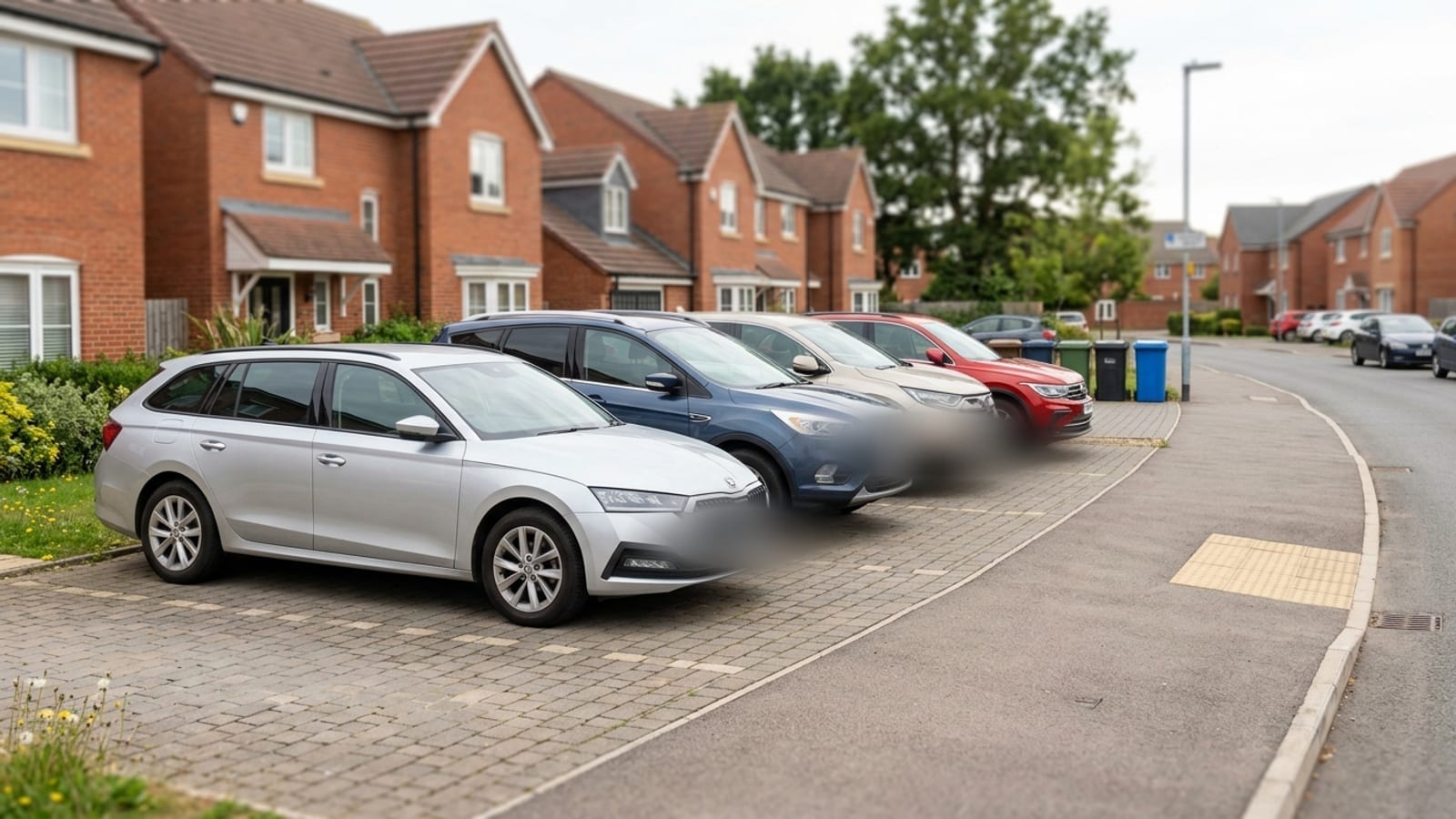
Most security advice is written as though every car sleeps in the same place. It does not, and the difference matters more than any single product does.
On an open driveway
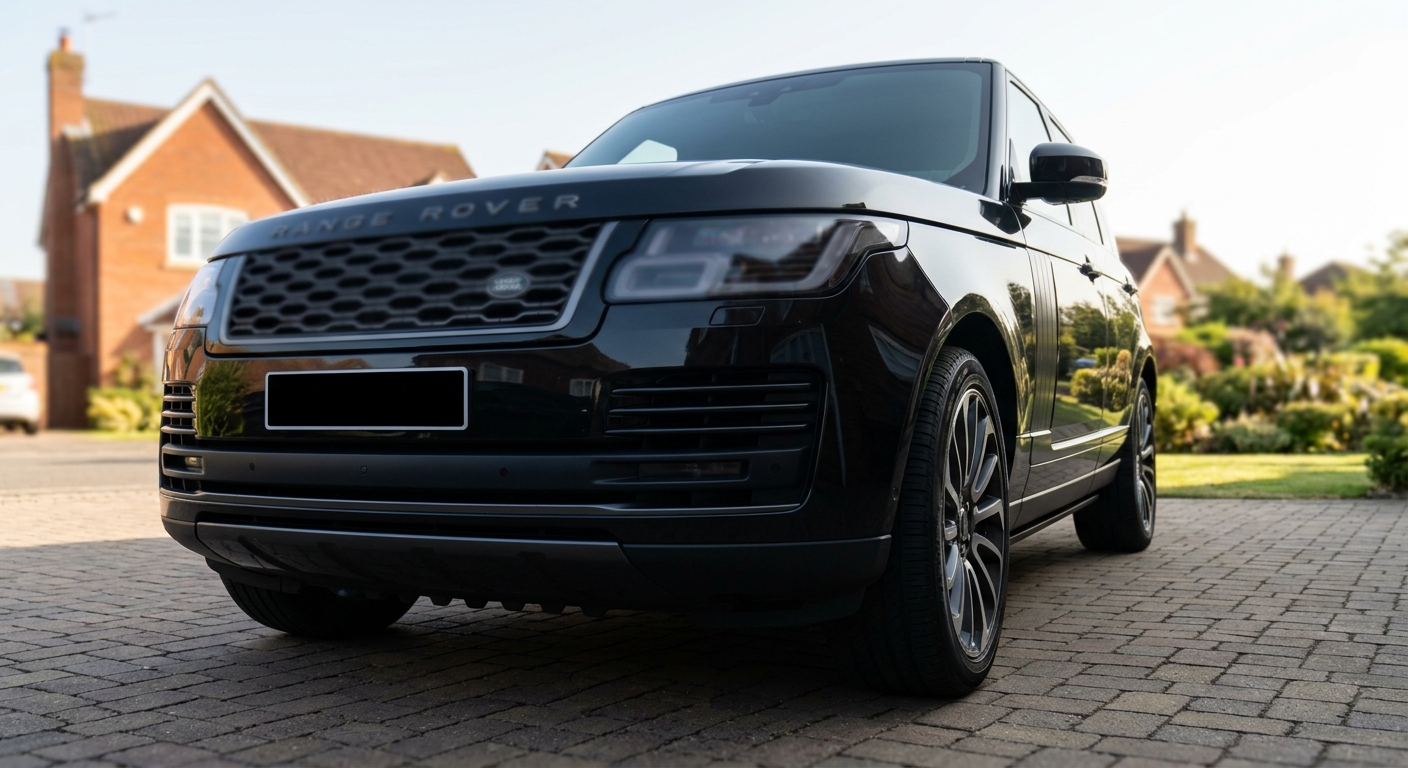
This is how most of Milton Keynes is built. The newer estates in particular — Brooklands, Broughton, Oakgrove, Tattenhoe — are laid out with parking in front of the house and no barrier between the pavement and the car. It looks private and it is not.
- Somebody can stand beside the vehicle without looking like they are doing anything wrong.
- The car is usually within a few metres of the front of the house, which is where keys tend to live.
- A vehicle can be reversed straight off without any manoeuvring, and no neighbour would notice.
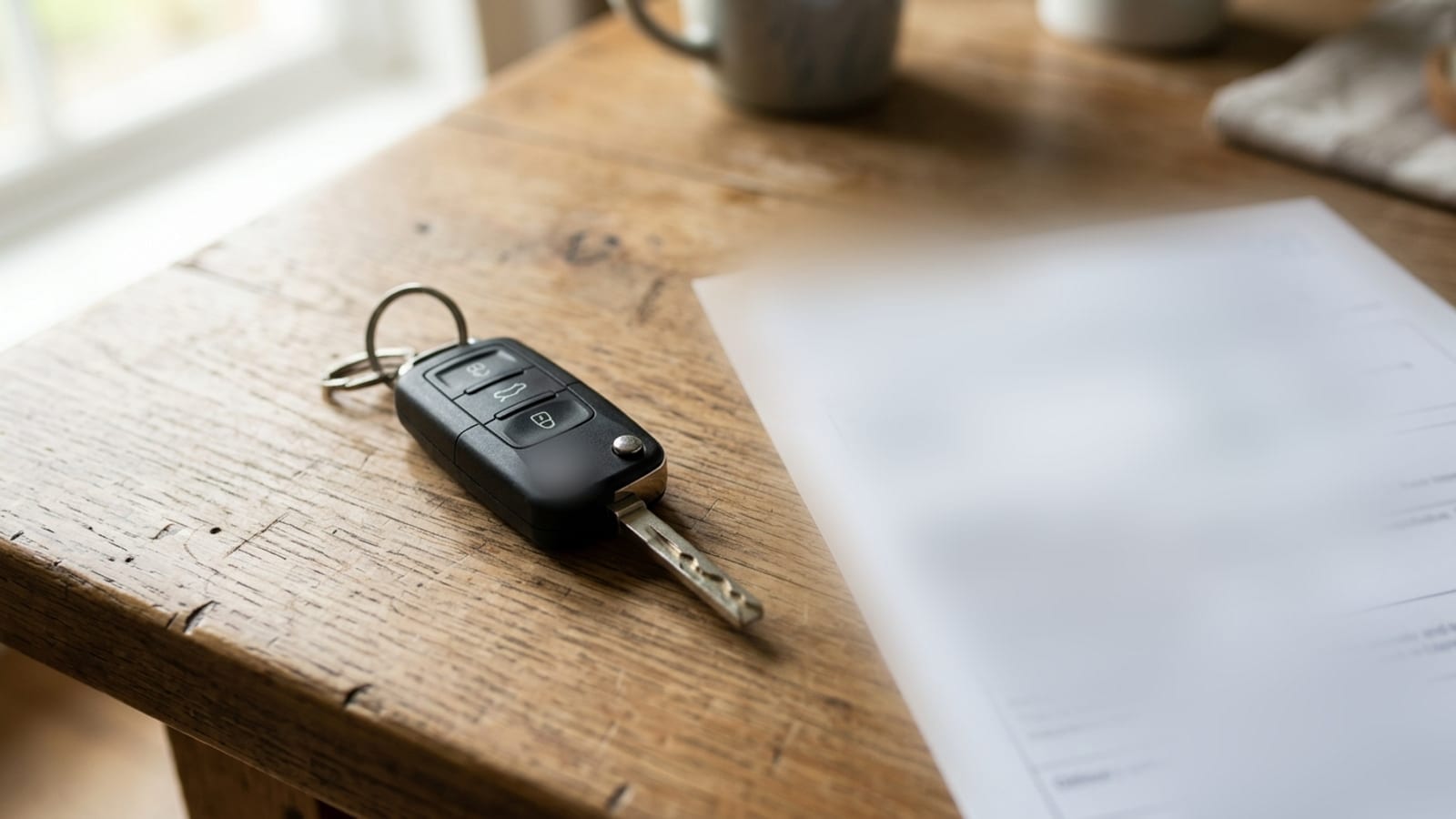
The single most useful change is free: move both keys to the back of the house. After that, an immobiliser, because the exposure here is relay attack and an immobiliser is the thing relay cannot defeat.
On the street
Older parts of the city and the surrounding towns — Wolverton, Stony Stratford, parts of Bletchley and Newport Pagnell — are street-parked, often not directly outside the house.
Relay attack is harder here, because the key may be too far from the car. What increases is everything else: the vehicle is unobserved, it may be out of sight of the house entirely, and a thief has time to work on it.
- Theft through the diagnostic port becomes the more likely route, since it does not need your key at all.
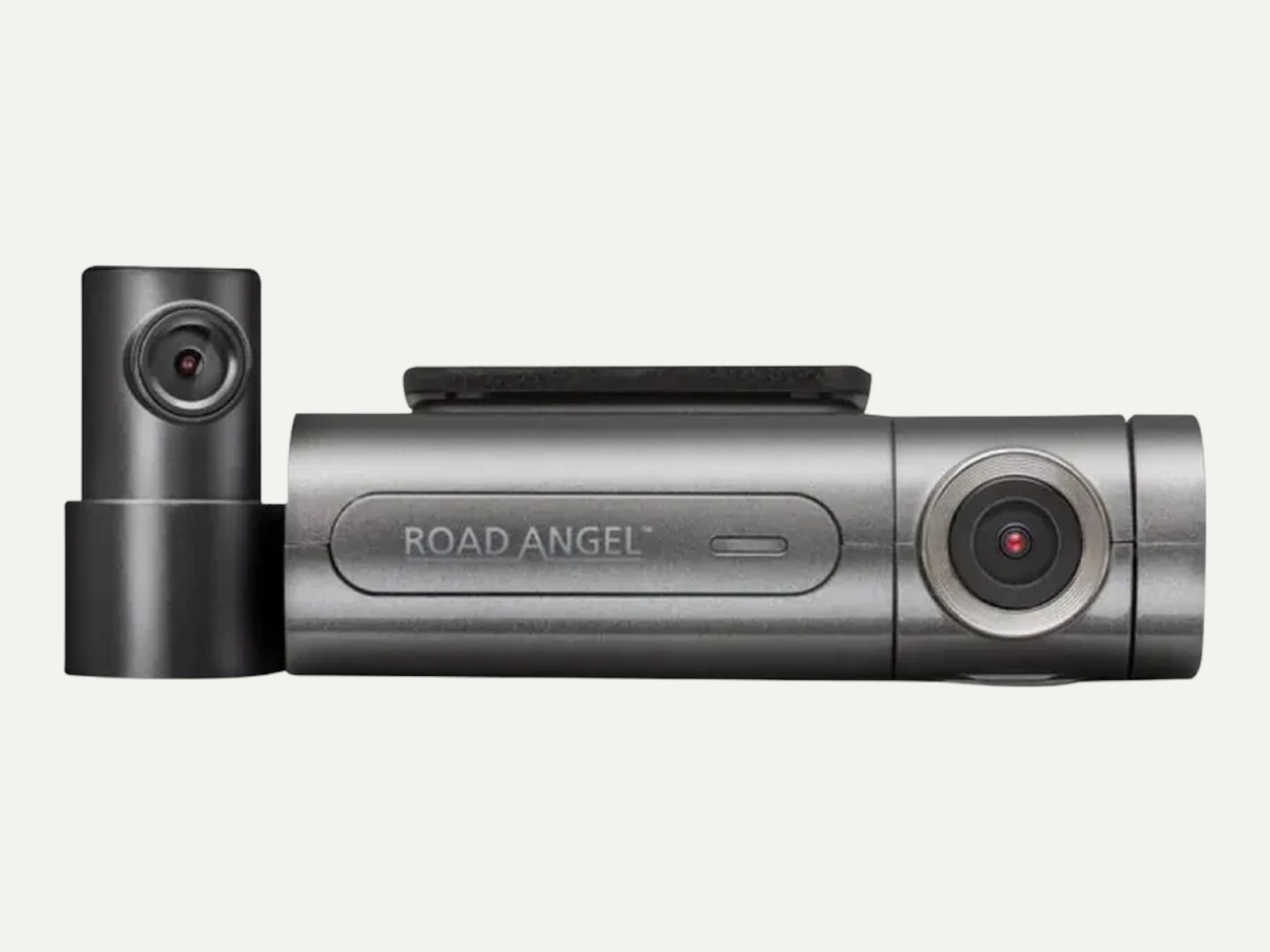
- Damage and theft from the vehicle go up — a dashcam with parking mode earns its keep here more than anywhere.
- A tracker matters more, because you may not know the car has gone for hours.
In a garage
Better, and not the answer people assume it is.
A garage defeats the opportunist completely — the car is out of sight and getting to it means committing to breaking in. What it does not do is protect against a relay attack, because the keys are usually still on a hall table at the front of the house while the car sits behind a door thirty feet away. A relay device does not care about the garage door.
It is also worth saying plainly: a garage only helps if the car is in it. A great many are not, which is a decision made by whatever else is in there.
What to do, by where you park
- 1.Open driveway: keys to the back of the house, then a CAN-bus immobiliser. Add a tracker if the car is high-value or the insurer asks.
- 2.Street: immobiliser and a hardwired dashcam with parking mode, and a tracker if the car is out of sight of the house.
- 3.Garage: use it, keep the keys away from the front of the house, and fit an immobiliser if the car is worth taking to order.
- 4.Anywhere at all: never leave the V5, a spare key or the service book in the car. It is the cheapest thing on this list and the most often ignored.
The thing that does not change
Wherever the car sleeps, an immobiliser is the one product that stops the car being driven away rather than improving your odds after it has been. Everything else on the list is worth doing, and none of it does that.
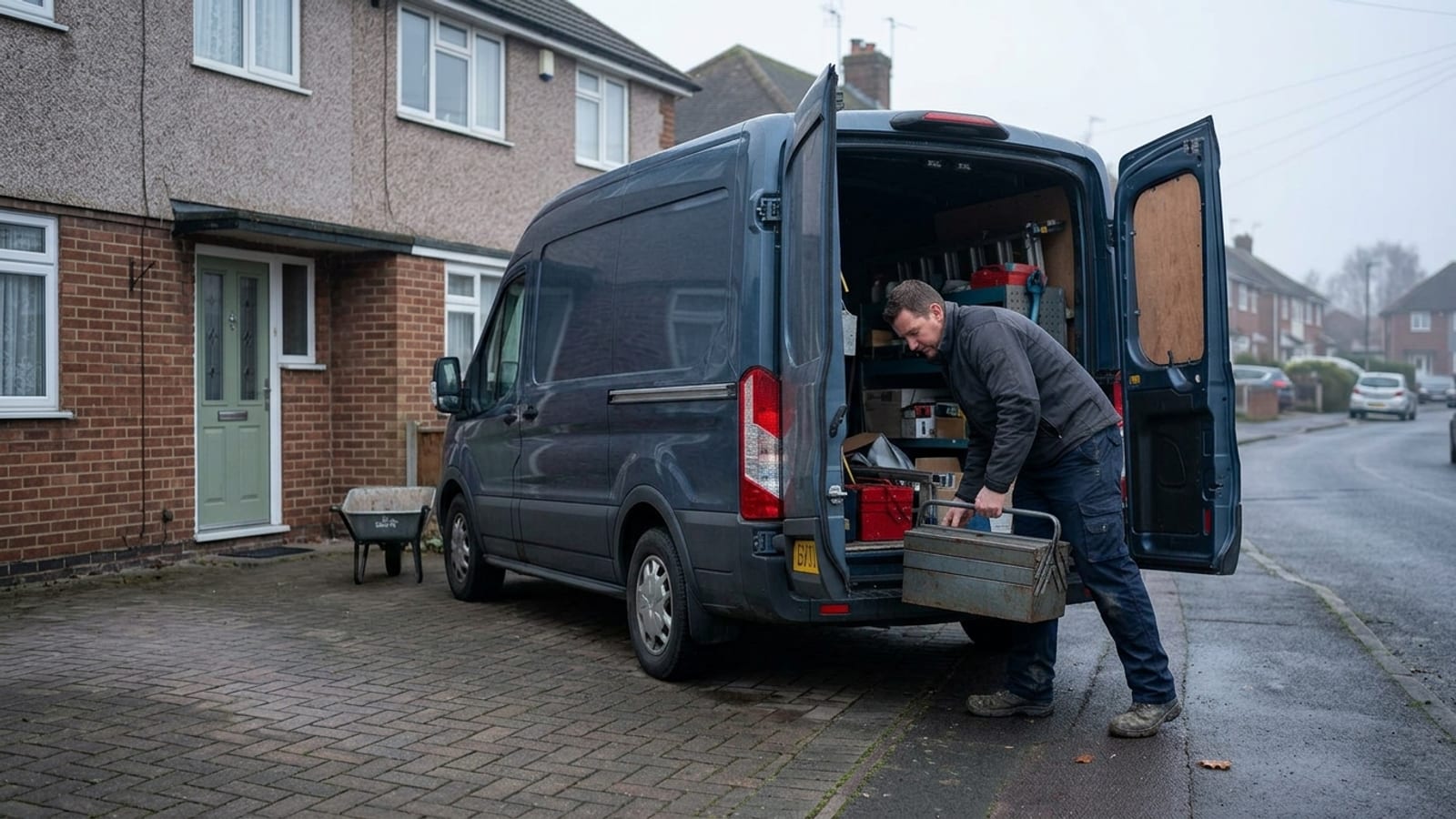
We fit at your address across Milton Keynes and the towns around it. Tell us where the car parks overnight when you get in touch — it changes what we would recommend more than the make of the car does.