Immobilisers7 min read
Ghost immobiliser: the questions we get asked most
Everything people ring us about before booking one — including the two things other sites are loose about, and the bits that are genuinely a nuisance.
By Kaine Carter
We fit more Autowatch Ghost IIs than anything else in the range, and the same questions come up on the phone every week. This is the whole list, answered the way we would answer them if you rang the workshop — including the parts that are a nuisance, and the two things a lot of websites are careless about.
What it does, and what it looks like
The Ghost II is a small module that connects to the CAN network already running through your car. It is hidden in the loom, and there is deliberately nothing to see: no keypad, no flashing LED on the dash, no extra fob on your keyring. Somebody sitting in your car would have no way of knowing one is fitted.
You turn the ignition on and enter your sequence using buttons that are already there — steering wheel controls, indicator stalk, a window switch. Two flashes confirm it, then the car starts and drives exactly as it always has. Until that sequence is entered, it will not start for anyone.
That is also the answer to how you would know if a car already has one: you would not, from looking. If you are buying a used car and the seller mentions a Ghost, ask them to hand over the sequence and demonstrate it — and ring the installer who fitted it, because the installation should be on the TASSA database in the previous owner's name.
Is it Thatcham approved?
No, and be wary of anyone who tells you it is. Thatcham categories S5 and S7 describe tracking systems, not immobilisers, so the question does not quite apply the way people expect it to. What the Ghost II carries is TASSA verification, and your installation gets logged on the TASSA database in your name.
That is the paperwork insurers actually ask for on an immobiliser, and it is the reason it matters who fits it. If your underwriter has written to you asking for something specific, send us the wording before you book and we will tell you in writing whether this satisfies it. Sometimes the honest answer is that they want a tracker instead, and we would rather say that than take the booking.
Is it legal?
Completely. It is an aftermarket security system that talks to the car's own network, and it is fitted without cutting into anything. It has no bearing on your MOT and nothing to declare to the DVLA. Do tell your insurer, though — not because you have to justify it, but because some policies reduce the premium once one is on the car.
Living with it day to day
Service mode
When the car goes to a garage, service mode suspends the sequence so somebody can start and move it without knowing your code. You set it before you drop the car off and clear it by entering your sequence with the ignition on. We show you how on the day and write it down for you — we are not going to publish the button presses here, because they vary by vehicle and getting them wrong on a forecourt is nobody's idea of a good afternoon.
Changing your sequence
You can change it whenever you like — after a house move, a relationship ending, or handing the car to a young driver. Ring us and we will either talk you through it or do it while you wait. There is no charge for that, and no time limit on it.
Phone app or tag
On eligible vehicles there is an optional app or Bluetooth tag, so the car recognises you and disarms as you approach. It is genuinely convenient and it costs a little more. It is worth understanding the trade-off: the sequence on its own is the most secure way to run a Ghost, because there is nothing at all being transmitted. Add a tag and you have added something that can be lost, or in principle picked up. Plenty of people take it anyway, and that is a perfectly reasonable choice — we just want you making it with the facts.
Can it be bypassed?
Not by the methods that are actually taking cars off driveways. Relay attack, key cloning and plugging a programmer into the OBD port all end at the same place: the engine cranks and does not fire. Because the unit is hidden in the loom and does not respond to diagnostics, someone would have to find it physically, in the dark, on a car they do not know, with no idea where to look.
Nothing in security is absolute and we will not pretend otherwise. What we can say is that it removes the methods actually being used against cars right now, which is the point of fitting one.
The genuine downsides
- There is a fortnight where you will occasionally sit there having forgotten it. Then it becomes muscle memory and you stop thinking about it.
- Everyone who drives the car needs the sequence. On a shared family car that is a small conversation worth having before we fit it.
- If the car is laid up for months, the tiny standing draw adds to everything else drawing on the battery. That is a storage question rather than a Ghost question, and a trickle charger settles it.
- It should only be removed by an installer. It is not a fuse you can pull, and hacking at the loom to get it out causes exactly the electrical faults you would expect.
What it costs, and what happens on the day
We fit the Ghost II for £499 including the installation, with no subscription of any kind — you pay once and it is yours. Fitted at your home or workplace rather than a showroom, with no call-out fee added on top.
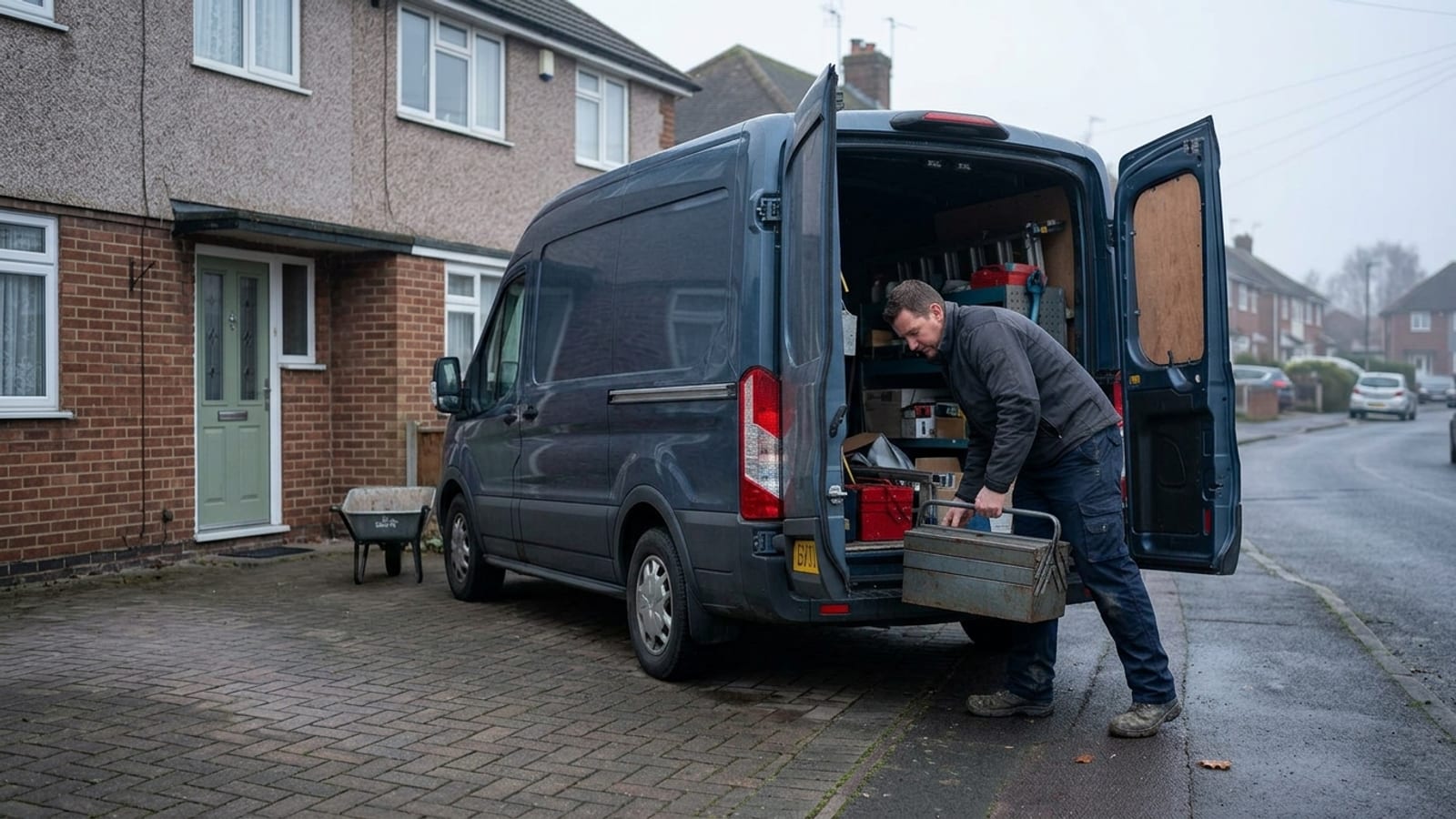
It takes two to three hours and happens on your own driveway. We cover Milton Keynes and the towns around it — Bletchley, Wolverton, Stony Stratford, Newport Pagnell, Woburn Sands, Olney and Buckingham — and we regularly go out to Bedford, Northampton, Aylesbury and Leighton Buzzard. You keep the car, you keep your morning, and nothing is cut or drilled, so your manufacturer warranty is unaffected and it can all come out later without a trace.
- 1.Send us the registration and we confirm your exact model is supported before you commit to anything.
- 2.We come to your home or work and fit it, usually within the week.
- 3.You choose your sequence with us, we set up service mode, and we run through it until you are comfortable.
- 4.The installation goes on the TASSA database in your name, and you get the certificate for your insurer.
One last thing worth saying plainly: an immobiliser stops your car being driven away, but it cannot do anything about a flatbed. If your car is valuable enough that somebody would go to that trouble, a tracker is what gets it back, and the two together are what most of our customers end up with.